
Frequently Asked Questions
Frequently Asked Questions About Spanish Immersion in Mexico
Planning a Spanish immersion program in Mexico? Here you’ll find answers to the most frequently asked questions about Spanish immersion programs in Mexico, including Spanish classes, accommodation, costs, activities, travel, safety, what to expect, and how our programs work. Whether you’re a complete beginner or already speak some Spanish, our FAQ will help you decide if a Spanish immersion experience in Mexico is right for you.
1. What is a Spanish immersion program in Mexico?
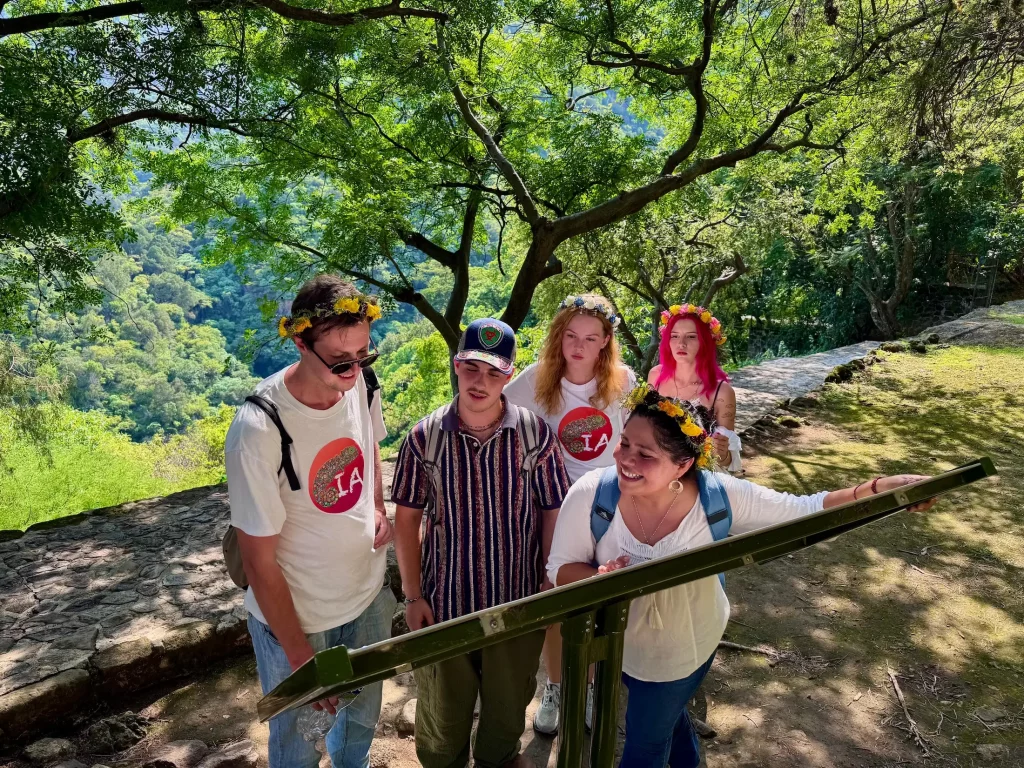
A Spanish immersion program in Mexico combines structured Spanish lessons with opportunities to use Spanish in everyday situations. Instead of spending all your time in a classroom, you learn through a combination of language classes, cultural activities, local experiences, and conversations with native Spanish speakers. A Spanish immersion program is designed to help you develop practical communication skills while experiencing Mexican culture firsthand. At Iguana Abroad, our programs in Cuernavaca combine Spanish classes with cultural activities, excursions, and opportunities to practise Spanish throughout your stay.
2. Why should I learn Spanish in Mexico?
Learning Spanish in Mexico allows you to combine language study with genuine cultural immersion. Mexico is one of the best places to learn Spanish because you can practise the language outside the classroom every day while experiencing Mexican food, history, traditions, and local life. Studying Spanish in Mexico can also help you become more confident speaking with native Spanish speakers. At Iguana Abroad, we believe that the combination of Spanish classes and real-world experiences makes learning Spanish more engaging, memorable, and effective.
3. How does a Spanish immersion program in Mexico work?
Learning Spanish in Mexico allows you to combine language study with genuine cultural immersion. Mexico is one of the best places to learn Spanish because you can practise the language outside the classroom every day while experiencing Mexican food, history, traditions, and local life. Studying Spanish in Mexico can also help you become more confident speaking with native Spanish speakers. At Iguana Abroad, we believe that the combination of Spanish classes and real-world experiences makes learning Spanish more engaging, memorable, and effective.
4. How much does a Spanish immersion program in Mexico cost?
The cost of a Spanish immersion program in Mexico varies depending on the length of the program, the number of Spanish classes, accommodation, activities, excursions, and what is included in the price. Some Spanish programs charge separately for accommodation and activities, while others offer more comprehensive packages. At Iguana Abroad, our program prices include Spanish classes, accommodation, activities, excursions, and other elements of the immersion experience. For current pricing and exactly what is included, visit our program and pricing pages.
5. How do I choose a Spanish immersion program in Mexico?
When choosing a Spanish immersion program in Mexico, consider the location, class size, teaching approach, accommodation, activities, program length, and what is included in the price. It is also worth considering whether the program gives you opportunities to speak Spanish outside the classroom. A smaller program can provide a more personal experience, while a program that combines classes with cultural activities can make it easier to practise Spanish in real-life situations. Look for a program that matches your Spanish level, interests, budget, and preferred style of travel.
6. Why learn Spanish in Cuernavaca, Mexico?
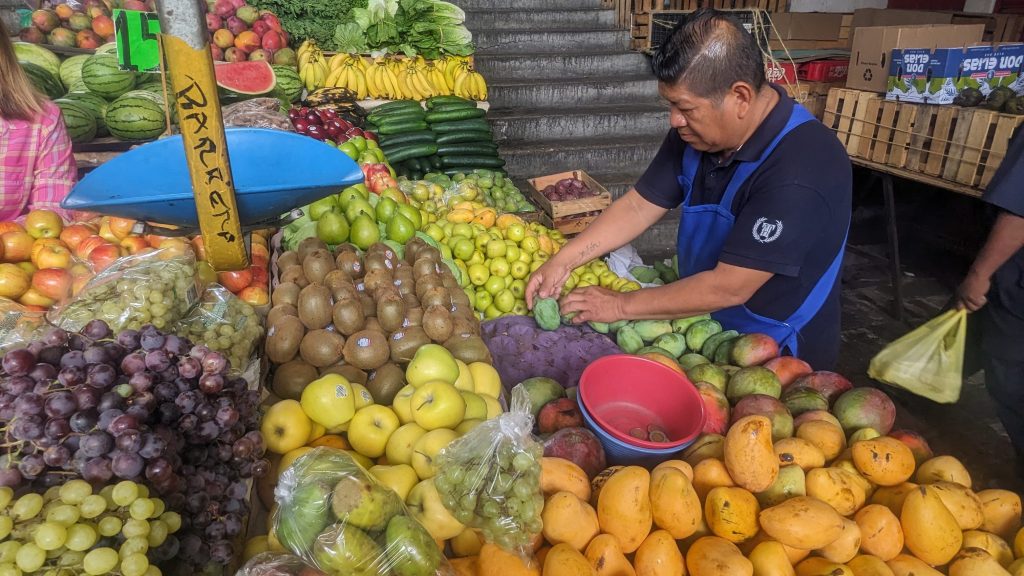
Cuernavaca is an excellent destination for Spanish immersion thanks to its relaxed atmosphere, pleasant climate and rich Mexican culture. Located just south of Mexico City, it offers easy access to the capital while providing a smaller and more personal environment for learning Spanish. Students can enjoy local life, practise Spanish with native speakers and explore the surrounding region while studying.
7. Is Cuernavaca a good place to learn Spanish?
Yes. Cuernavaca has a long history of welcoming international students and is well suited to Spanish immersion. Its relatively relaxed pace makes it easier to experience everyday Mexican life and practise Spanish outside the classroom. Its location also makes it a convenient base for exploring Mexico City and other destinations in central Mexico.
8. Is Cuernavaca safe for Spanish students?
Cuernavaca is home to many local and international residents, and thousands of visitors come to the city each year. As with anywhere in Mexico or elsewhere in the world, students should take sensible precautions, stay aware of their surroundings and follow local advice. At Iguana Abroad, we provide students with guidance and support throughout their stay to help them have a safe and enjoyable experience.
9. Do I need to speak Spanish before joining a Spanish immersion program?
No. You don’t need to speak Spanish before joining a Spanish immersion program. Programs can accommodate students with different levels of experience, including complete beginners. Starting in an immersive environment allows you to learn the fundamentals in class while gradually becoming more comfortable hearing and speaking Spanish in everyday situations.
10. What is the difference between a Spanish course and a Spanish immersion program?
A Spanish course primarily focuses on language lessons, while a Spanish immersion program combines classes with opportunities to use Spanish throughout your daily experience. Immersion can include cultural activities, excursions, conversations with local people and everyday situations. At Iguana Abroad, Spanish classes are combined with cultural experiences and travel so students can put their language skills into practice outside the classroom.
11. How much Spanish can I learn during an immersion program?
How much Spanish you learn depends on your starting level, the length of your program and how much you practise. An immersion program can help you build vocabulary, improve your listening and speaking skills, and become more confident communicating in Spanish. The more actively you participate in classes and use Spanish outside the classroom, the more you can get out of your immersion experience.
12. What is included in an Iguana Abroad Spanish immersion program?
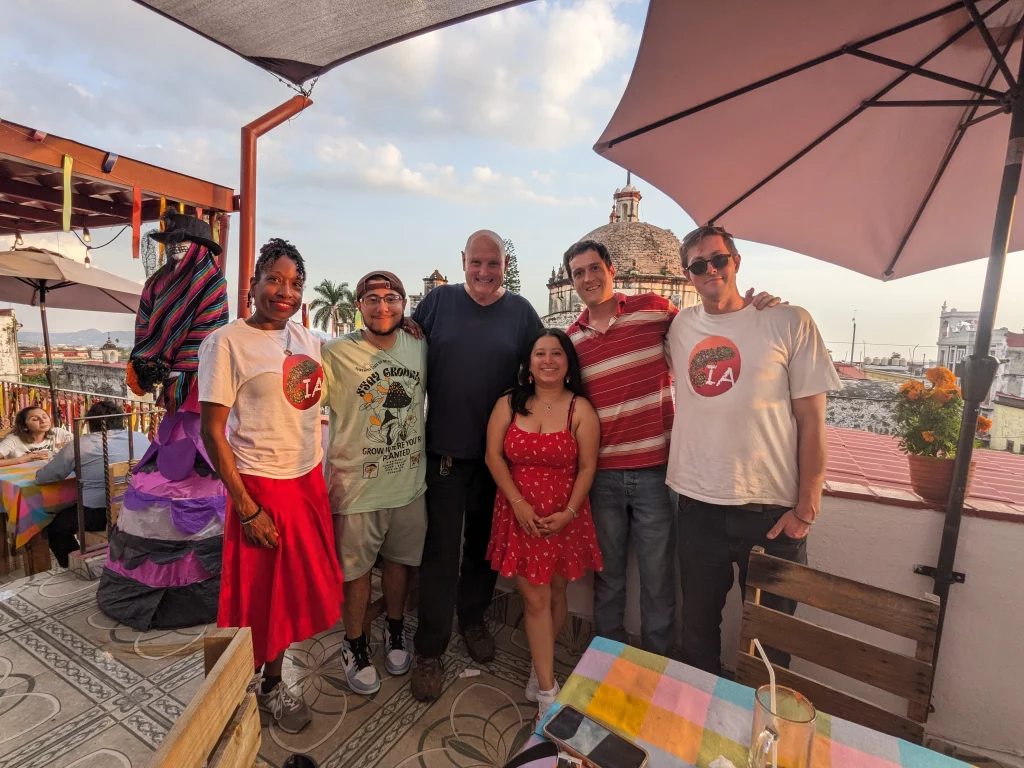
Iguana Abroad programs combine Spanish classes with accommodation, cultural activities and excursions, creating an immersive experience rather than simply a traditional language course. The exact inclusions vary between programs, so check the individual program page for current information about classes, accommodation, meals, activities, transportation and excursions.
13. What are the Spanish classes like at Iguana Abroad?
Our Spanish classes focus on developing practical communication skills alongside grammar, vocabulary, speaking and listening. Students are placed according to their level so that lessons are appropriate for their existing knowledge and experience. Classes are only one part of the immersion experience, with students encouraged to use their Spanish during activities, excursions and everyday interactions throughout their stay.
14. What accommodation is available during the program?
Authentic homestay accommodation with a local host family is included in the price of the Iguana Abroad Spanish immersion programs. Staying locally helps students experience Mexican culture more closely and provides additional opportunities to hear and practise Spanish outside class. Accommodation arrangements, room types and meals can vary between programs, so check the relevant program page for the most up-to-date details.
15. What activities and excursions are included in the program?
Our activities and excursions are designed to help students experience Mexican culture while putting their Spanish into practice. Depending on the program, experiences can include cultural activities, local experiences, food, visits to historic sites and trips to other destinations in Mexico. These experiences are an important part of the immersion process, allowing students to explore Mexico while using Spanish in real-world situations.