

When you are planning a trip abroad, one question is always worth thinking about: are there any insects that I need to be carfull about there?
This is particularly important in tropical places like Cuernavaca, Mexico.
Sometimes these questions can lead to anxiety. Instead of enjoying your last few evenings in your home country before your flight you are sat at your computer nervously Googling:
“Are there scorpions in Cuernavaca, Mexico?”
“What diseases do mosquitoes carry in Cuernavaca?”
“Do I need malaria pills for Cuernavaca?”
If this is you, then don’t worry! This post is a local’s guide to the insects that you find here in Cuernavaca, Mexico, from someone who has lived here in Cuernavaca for the past decade.
Mexicans also eat some insects so we have included some of those at the start. But if you are just wanting to know the info about the ones to watch out for, that’s understandable – feel free to skip ahead. Hopefully this article will set your mind at ease before you fly out here.
The Good
Chapulines
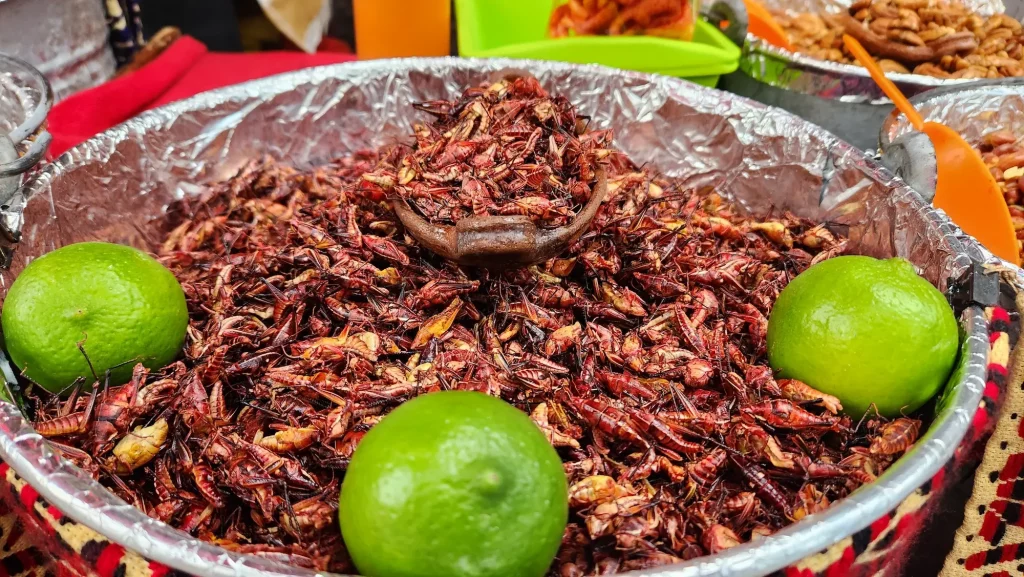
Chapulines, or grasshoppers, are such a big part of Mexican culture that some of the most famous places in the Aztec empire were named after them. Have you heard of “Chapultepec Park” in Mexico City? Well this place literally means “Hill where you find the grasshoppers” in the Nahuatl language. The Aztecs used to eat huge quantities of cooked grasshoppers as part of their daily diet, and this culinary tradition has continued into modern Mexico. On every street corner in many Mexican towns you will find roast or fried chapulines, usually served either with chili seasoning or with freshly squeezed lime and salt. In my opinion they are delicious and absolutely worth trying when you are here. There is even a “Chapultepec Park” in Cuernavaca, which today is known for its reptile house where you can see Mexico’s iconic “axolotl” salamanders, as well as being a place where you can appreciate some of the most beautiful trees in the city.
Xumiles
Xumiles, sometimes called jumiles or chumiles (and pronounced HUM-il-es), are small edible bugs found in some states of south/central Mexico. In Cuernavaca they are quite popular. Unlike Chapulines, they are not eaten on their own as a street-food snack. They are almost always ground up in traditional Mexican volcanic-stone mortar and pestles (called a “Molcajetes”) to make delicious rich sauces. When used, the Xumiles add intensity and depth to the flavours of other ingredients. But don’t worry! If you don’t like the sound of eating Xumiles in your sauces, rest assured – nowadays, Xumil sauces are only found occasionally as a special gourmet offering in some of the most traditional restaurants in Cuernavaca – and the menu will always tell you when they are being used.
Tequila Worms
Most people have probably heard about the famous tequila worm that you supposedly find in bottles of Mexican mezcal. Well, from personal experience living in Cuernavaca, this sadly is more myth than reality. According to the myth, you can find a worm in the bottom of the bottle in of all good mezcals. But in reality, only some bottles of Mezcal have a worm in them, and it’s usually more of a marketing ploy rather than an authentic addition that adds to the flavour. Instead, many mezcal bars in Mexico will serve mezcal shots with a special type of red salt as an optional extra on the side – called “sal de gusano”, literally worm salt. This salt does contain ground-up Maguey worms, as well as smokey paprika spices – it really is delicious and definitely worth trying when you are here!
Stick Insects
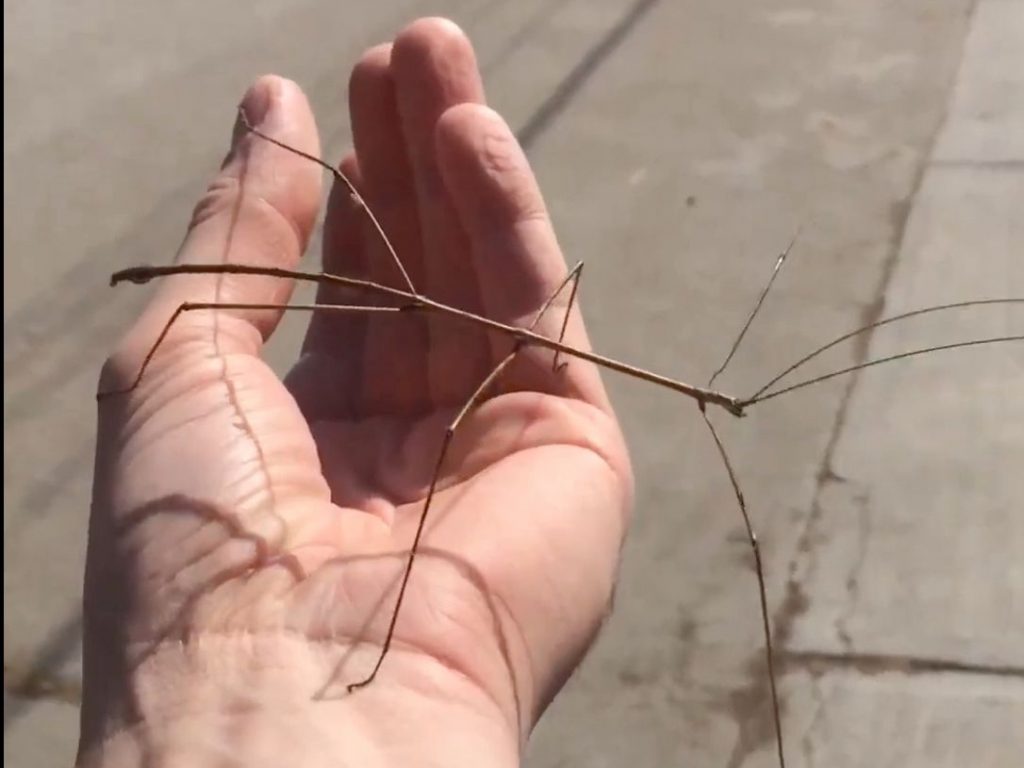
One of the participants on one of our Spanish immersion programs in Cuernavaca found a wild stick insect on a tree when we were walking around the historical centre of Cuernavaca during an immersion activity. The insect was so gentle and friendly that it was happy to be picked up and held in our hands. It was the first time we had ever seen one of these strange creatures in the wild before, and we had no idea that they lived wild in Cuernavaca until that day. But I suppose it’s not surprising that stick insects are rarely seen in the wild – their camouflage is impeccable!
The Bad
Mosquitos
Mexico is famous for being the “City of Eternal Spring” and is well-known for its temperate “spring-like” weather all year round. This cooler climate means that Cuernavaca doesn’t have as many mosquitos as other famous Mexican travel destinations such as Cancun, Tulum, Puerto Vallarta or some parts of Oaxaca. That said, there are still some mosquitos here, so it is always worth coming prepared with your preferred insect spray. If you don’t have any repellant with you, don’t worry! You can buy good cheap insect repellant at any pharmacy or Walmart in the city. Malaria does not exist in Cuernavaca, so you don’t need to worry about that or bring malaria pills. Cases of Dengue fever and Zika are very rare but are occasionally reported so we always recommend using insect repellant when you are here, but the risk is so low that it is not something that you need to worry about. We have lived here for ten years and we have never heard about anyone we know getting dengue or zika fever, so it really isn’t common at all.
Kissing Bugs
Triatomine, or Kissing bugs, are a species of insect that lives all across North, South and Central America, from Nebraska to Argentina. In Cuernavaca they are not as common as places like Oaxaca but they do exist so it’s good to be aware of them. They mainly live around livestock but can occasionally enter houses and gardens. In the unlikely event that you see one in your house when you are in Cuernavaca it is important to go to the doctor to get checked because some of these bugs carry Chagas disease. Again, we have lived here for ten years and we have never heard of anyone getting bitten so it is rare to see these bugs, but it’s still something to be aware of.
Scorpions
We have left the scorpions to the end of the list because the bad reputation of scorpions is, in our opinion, quite overrated. In our ten years in Cuernavaca we do occasionally see scorpions (called “alacranes” in Mexico), but in our experience they are almost always tiny – literally as small as a nickel – and they are always more scared of you than you are of them. In the unlikely event that you see one here in Cuernavaca, don’t worry. You can just crush it with a shoe or carefully take it outside. But it’s generally nothing to worry about.
The Ugly
Cockroaches
I was once told that cockroaches could survive a nuclear war. I still don’t know if that’s true or not (I doubt it), but nevertheless it is undeniable that cockroaches are very good at surviving. Nearly 100% of the world’s countries have cockroaches – they have even been found in Northern Canada, just 500 miles south of the North Pole! Mexico, like the USA or Europe, is no different. These insects are ugly but they aren’t dangerous so if you do see one in your house or garden then then either kill it or leave it to continue on its way. In Mexican Spanish cockroaches are known as “cucarachas”.